
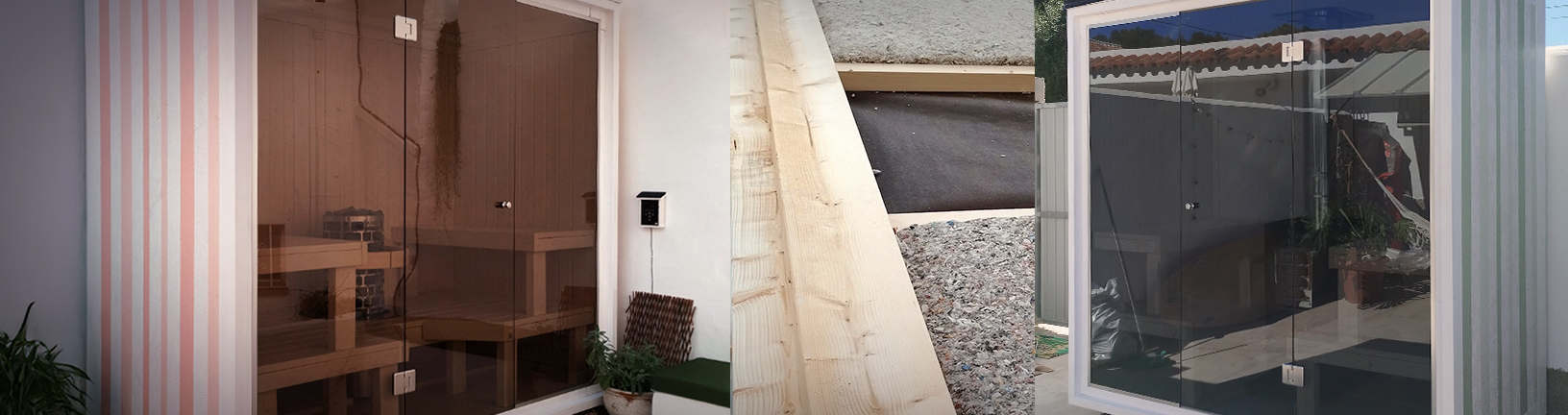
At Alegria, we use only materials that are suitable for the sauna environment. This also applies to surface materials and finishes. There are many ready-made sauna packages on the market in which surfaces may have been treated with ordinary interior paints, bathroom paints, or other products that were never designed for sauna conditions. We do not accept such compromises.
We do not use composites in our saunas at all. We have done extensive research and material testing to ensure that every selected solution truly works in a sauna and will withstand long-term use. Nor do we build from the cheapest possible materials simply to get a product to market faster or lower the price. To us, responsibility means that a sauna is built correctly, from purpose-suited materials, and made to withstand years of use.
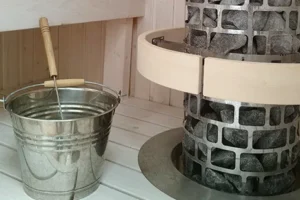
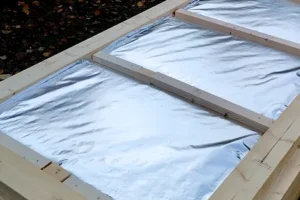
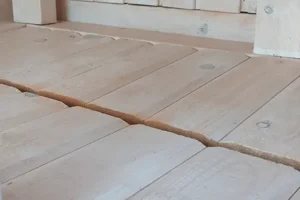
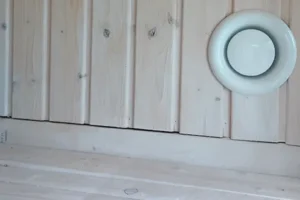
In a good sauna, appearance is not the only thing that matters. Equally important are ease of cleaning, ventilation, and drainage. Even if the sauna is not technically a washing space, drainage is still an essential part of a functional sauna. It makes cleaning easier and ensures that water from throwing steam is removed in a controlled way. Proper ventilation, in turn, supports the drying of structures and improves the overall comfort of the sauna.
Put simply, this is our starting point:
no plastic paints, no composites, cleaning taken into account, ventilation taken into account.
Why does this matter?
Poor material choices can make a sauna unhealthy and short-lived. If the interior surfaces of a sauna are treated with non-breathable materials, such as plastic, acrylic, or other similar paints, moisture cannot escape from the structures properly. The result may be structural damage, decay, rot, and a significant shortening of the sauna’s service life.
It is possible to cut corners on these things. That way, a sauna can be built more cheaply and quickly. But it is not responsible. Sauna manufacturers should know exactly what the sauna environment demands from materials, structures, and surface treatments. This is not a matter of opinion or style preference, but of whether a sauna is built correctly or incorrectly.
Responsibility does not end with a sauna looking good when it is new. It must function properly, withstand use, remain healthy, and stay structurally sound year after year. That is why material choices are not a minor detail, but one of the most important questions of quality and responsibility in a sauna.